Our Works –
Microalgae
For Carbon Removals Integrity

The early Earth’s atmosphere was composed primarily of CO2 and other gases. As one of the earliest lives forms1, microalgae were the first organisms to sequester carbon biologically, gradually removing CO2 from the ocean and atmosphere2. With their wide distribution, high abundance, and short life cycle, microalgae are therefore selected as an effective species for carbon removal.
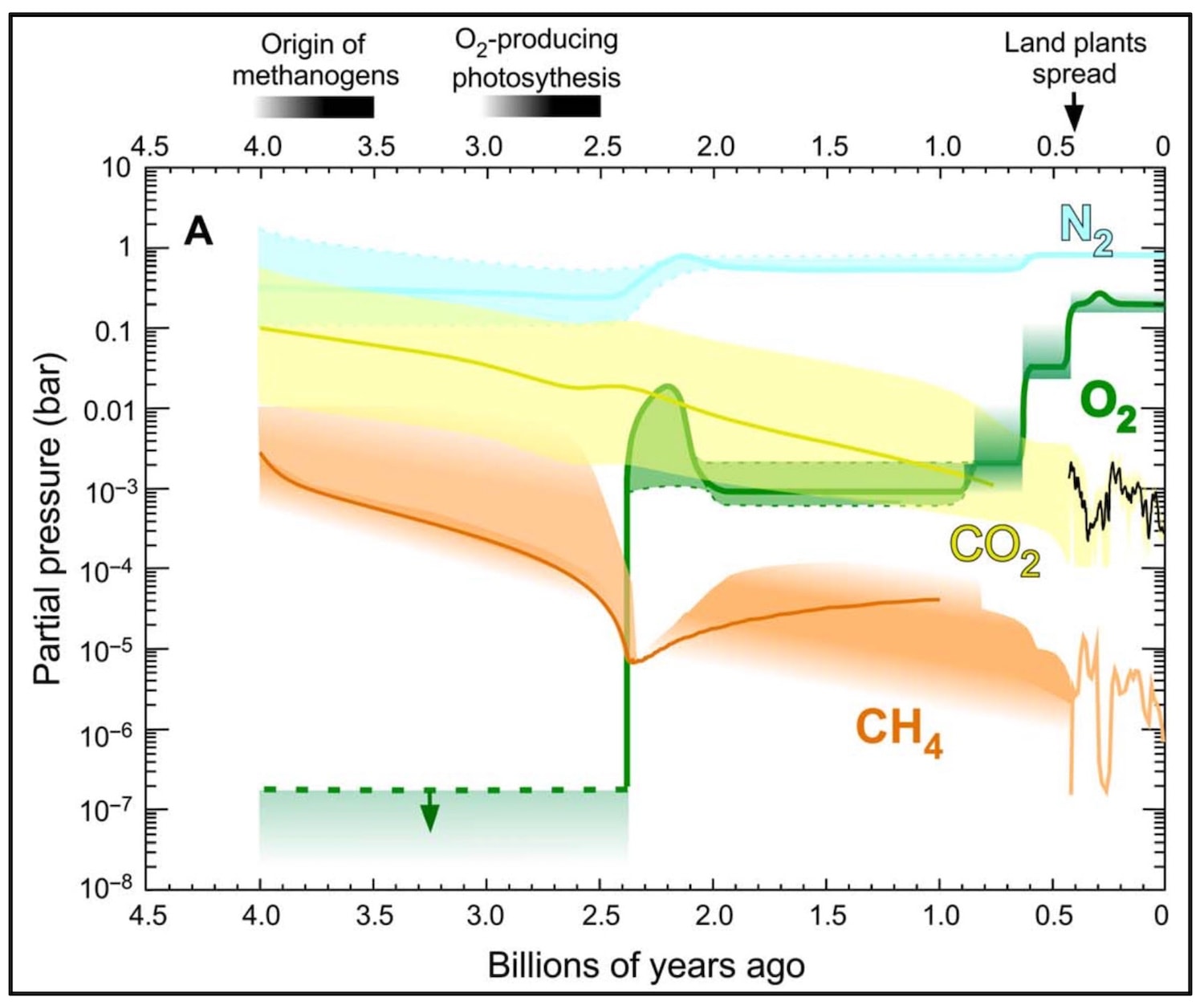
Source: Murpgy, D.J. (2024), Earth, Licensed under CC BY 4.0.
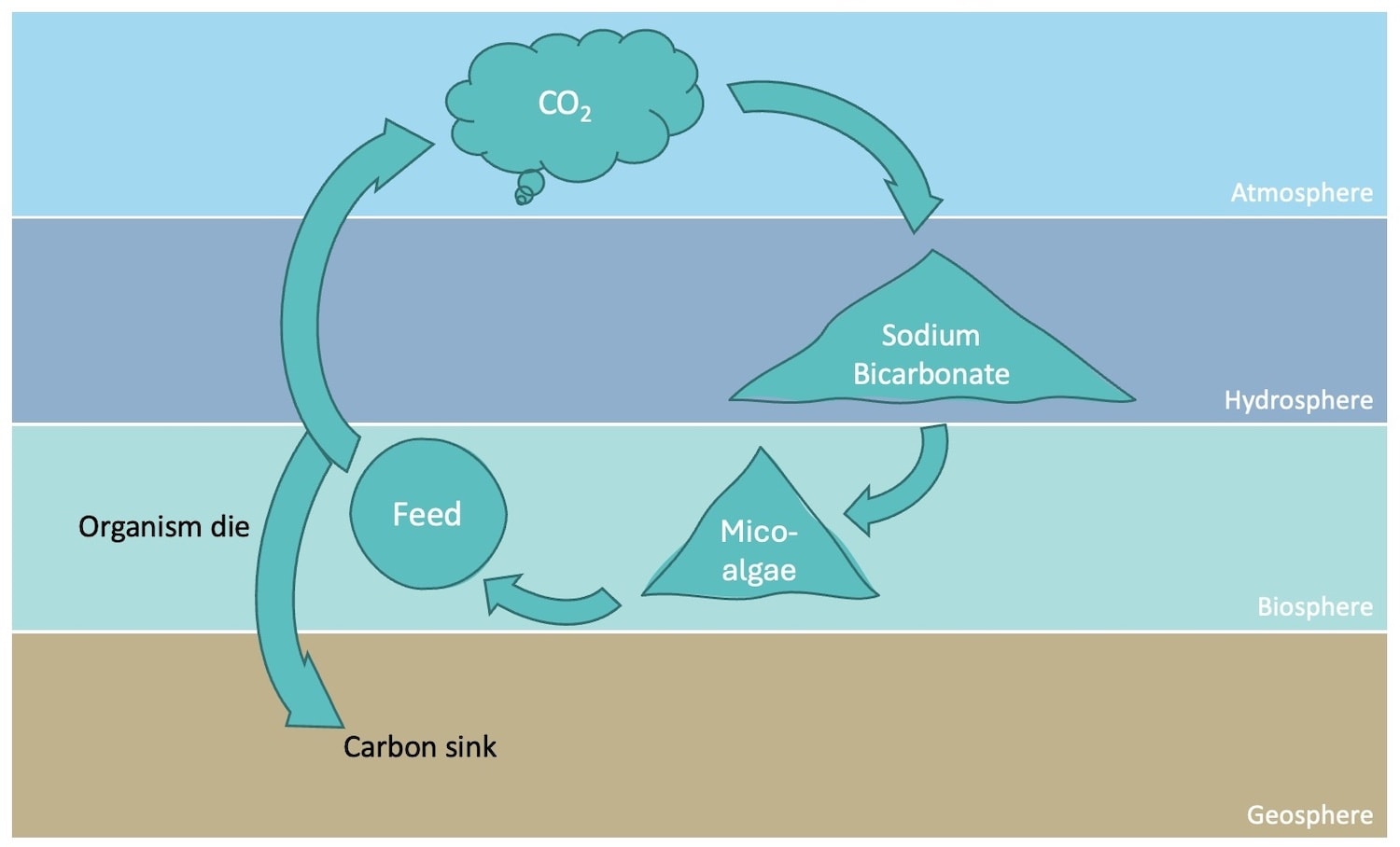
VIOLON utilizes CCU and CDR system technologies to accelerate carbon cycling and utilization. It directly captures large amounts of CO2 emitted from smokestacks (which would otherwise be released into the atmosphere) and converts the CO2 into bicarbonate ions or bicarbonate salts. These are then introduced into the microalgae cultivation system, where microalgae act as an intermediate biomass that transforms inorganic carbon into organic carbon. When the biomass naturally dies, the carbon ultimately settles into the soil in inorganic form, achieving long-term carbon sequestration.
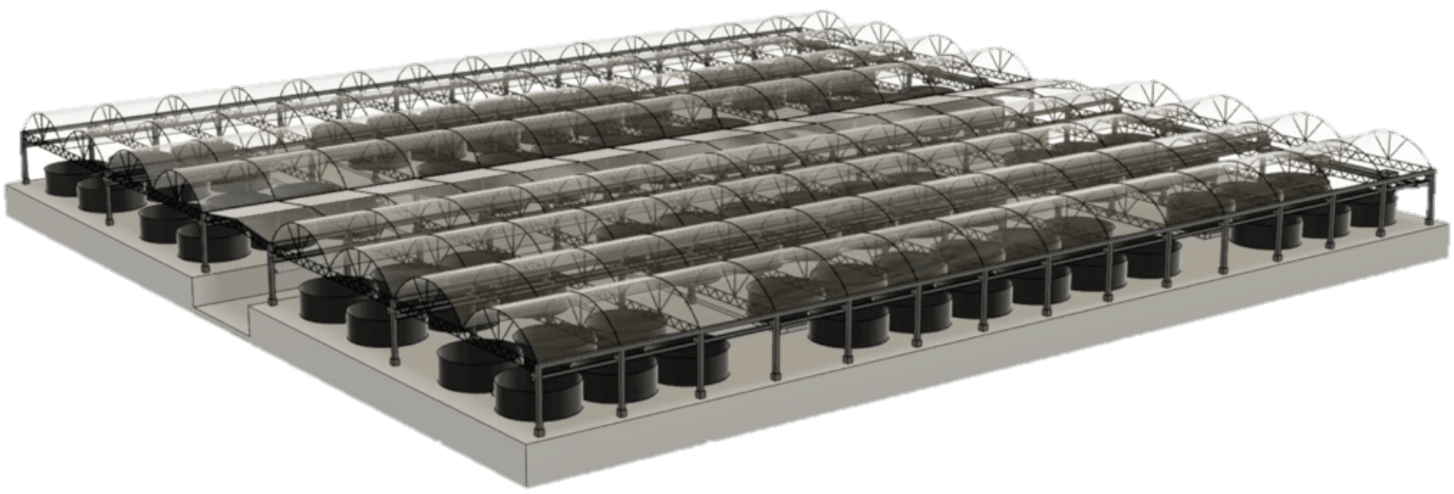
The carbon removal system is composed of modular microalgae cultivation units designed as low energy photobioreactors. By applying advanced fluid dynamics principles and achieving ultra-high-density microalgae cultivation, the system maximizes land-use efficiency. Utilizing seawater instead of freshwater further conserves valuable water resources. Combined with greenhouse facilities, the system enables large-scale photosynthesis and carbon sequestration even in environments unfavorable for plant growth, such as deserts or saline and alkaline land.

High scalability

Modular design

Automation

Low-energy harvesting
Energy conservation

Stable production capacity
Economic feasibility
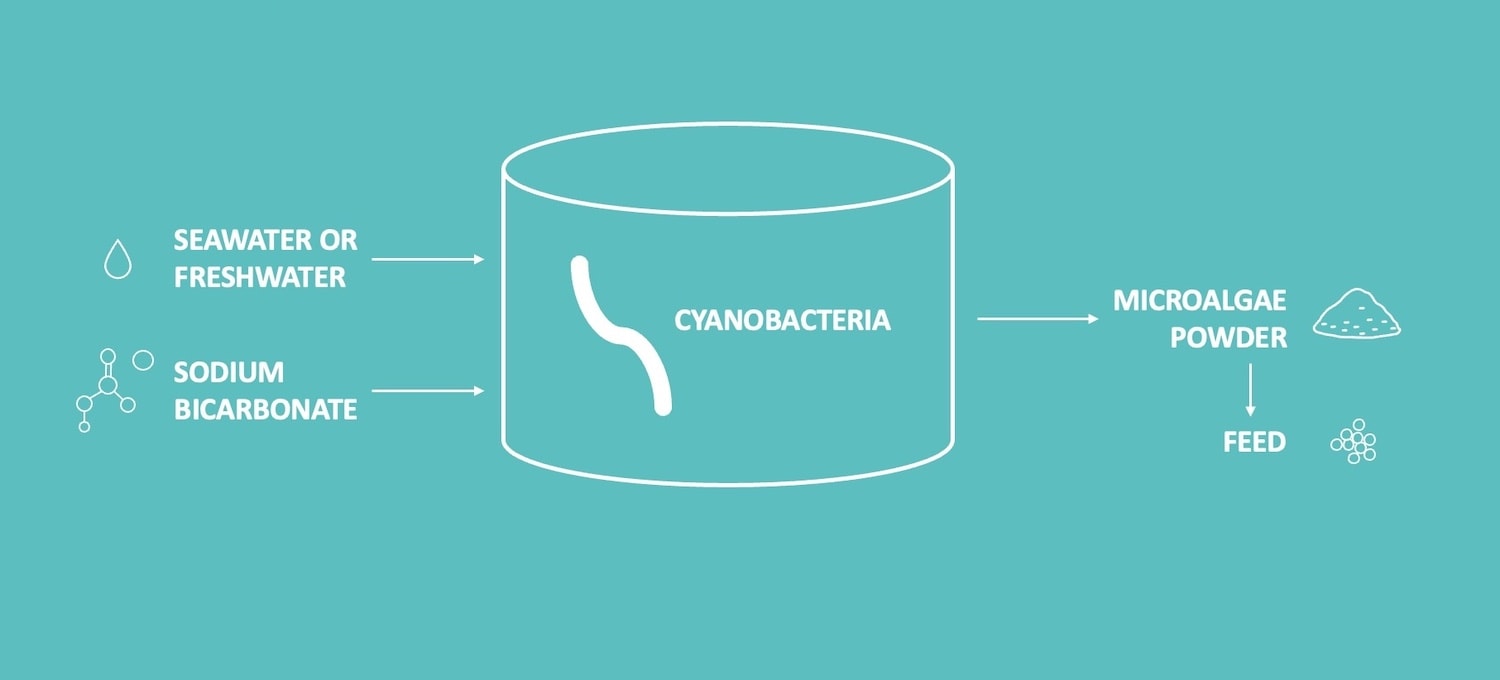
During the carbon removal process, seawater or freshwater and sodium bicarbonate serve as the raw materials for microalgae cultivation. When added to the culture ponds, the bicarbonate ions released from the dissolved sodium bicarbonate are biologically sequestered through photosynthesis by the microalgae. After harvesting, the microalgae can be dried and further processed into aquaculture feed.